 The National Collegiate Athletic Association (or NCAA as we know it) is beginning to show its muscle even more than usual these days. Just ask Oklahoma State wide receiver Dez Bryant.
 Before the season even started Bryant was approached by Marcus M. Wilson, NCAA’s assistant director of agent, gambling and amateurism activities, in July. Wilson then proceeded to question the young receiver about meetings with former NFL star Deion Sanders. The interview unnerved the young man causing him to lie to the official.

“I just panicked because I was scared and afraid that I was in some kind of trouble.” said Bryant in a 2 page apology to the NCAA that the Associated Press obtained "I was scared because I was thinking, why would the NCAA talk to me unless they thought I had done something wrong, even though I did not think I had."
In September the NCAA declared the All-American ineligible to play for the Cowboys and was expected to appear for a follow up interview with the NCAA on Tuesday in Indianapolis. He has already missed two of the school's five games this season and the rest of his season is still in jeopardy. The crime being the lie and not the actual meeting with Sanders.
Was this going too far?
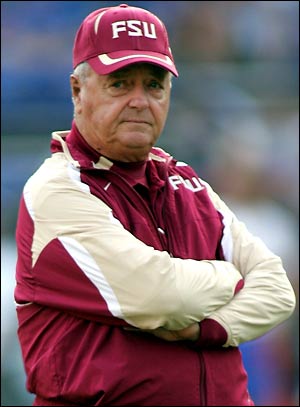
Oklahoma State, who asked the NCAA to go easy on Bryant, thinks so. And if you ask Florida State and head coach Bobby Bowden they would likely agree.
The NCAA investigated the school and found that many student-athletes were guilty of academic cheating last October. The NCAA Committee then proposed to vacate victories from coaches and athletes-even those not implicated in the crime. Florida State has appealed the proposition delaying the final ruling of the NCAA.
Is the NCAA going too far in making a point?
Many see the increase in authoritative action as a benefit. As NCAA football expert Michael David Smith wrote, the lack of consistent discipline can harm the institution. Citing three separate incidences of players punching opposing players, he feels the response of each school gives a bad example to how misbehavior should be handled. When the same misbehavior is punished with a range from one game to one entire season, there is something wrong.
Maybe they should take a page out of the NFL discipline book. Commissioner Roger Goodell since beginning his tenure in 2006 has implemented a new Personal Conduct Policy after a season of scandal from his players. The policy has made it detrimental for a player to act up on or off the field and has set a precedent for future seasons.
Goodell has tightened his grip on the league but when someone acts out there is no question as to how the commissioner will act.
Should the NCAA remain an entity where they leave the punishments to particular schools or should they become more like the pros and make a "universal code of ethics" for the student-athletes with a set discipline regiment?
It's an iffy subject as the NCAA tries to be the governing body of college athletics yet allow a laissez-faire style of punishment with results that may not bode well for the future.


